
Uniform Requirements in Food Production
June 22, 2026
What Is Cleaning and Sanitation?
July 13, 2026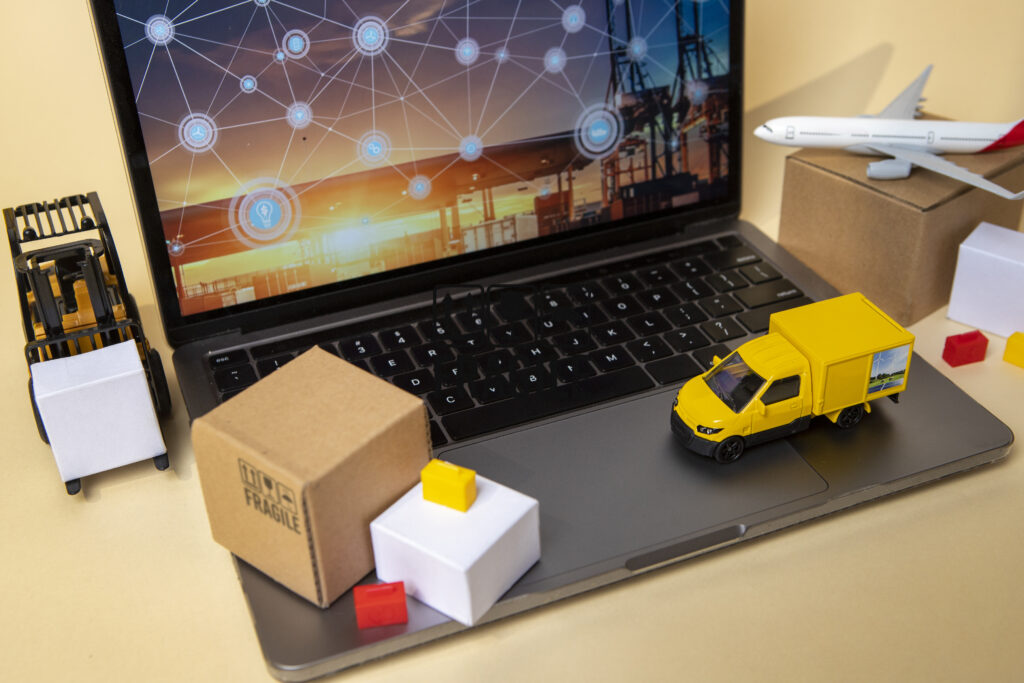
In food safety, major incidents rarely begin with one catastrophic mistake. More often, they start with something that appears insignificant—a product sits on a hot loading dock for just 15 minutes, a container receives the wrong label, a temperature check is delayed, or a process confirmation is missed.
These seemingly small “micro-moments” can quickly develop into cross-contamination, product quality failures, recalls, customer complaints, regulatory non-conformities, and significant financial losses.
Modern food safety is no longer only about investigating problems after they occur. The goal is to detect risks before they become incidents.
1. How Small Errors Become Major Food Safety Risks

Every food supply chain includes multiple stages: receiving, storage, production, packaging, transportation, and distribution. At every step, minor deviations can occur.
Examples include:
- A product remains outside temperature control for 15 minutes.
- A container is incorrectly labeled.
- A batch number is entered incorrectly.
- Temperature records are completed late.
- An operator forgets to verify a critical step.
Each event may appear harmless on its own, but together they create conditions that increase food safety risks. This is why HACCP, GMP, GHP, and FSSC 22000 place such strong emphasis on continuous monitoring, documentation, and process control.
2. Real-Time Monitoring: Preventing Problems Before They Grow
Traditionally, companies discovered problems only after customer complaints, audit findings, or product failures.
Today, digital technologies enable organizations to monitor operations in real time.
IoT sensors, automated temperature monitoring, RFID, QR codes, digital records, and instant alerts detect deviations the moment they occur.
If a refrigerated product remains outside acceptable temperature limits, responsible personnel receive an immediate notification, allowing corrective actions before product quality is compromised.
Real-time monitoring helps reduce:
- Product waste
- Financial losses
- Consumer health risks
- Non-conformities
- Costly product recalls
3. Why Traceability Is More Than Looking Back
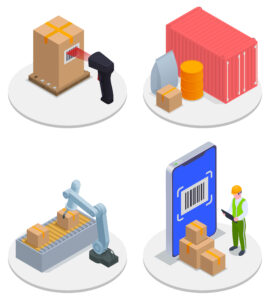
Many organizations still associate traceability only with product recalls.
However, an effective traceability system provides much more value than historical investigation.
It allows companies to:
- Identify the exact location of every batch.
- Determine who received, processed, or transported a product.
- Verify all temperature records.
- Confirm when each operational step was completed.
- Isolate risks before they spread throughout the supply chain.
Modern traceability is no longer just about reviewing the past—it enables businesses to make informed decisions the moment a risk appears.
4. Reducing Micro-Risks Through Better Systems

Organizations can dramatically reduce operational risks by focusing on the small details that occur every day.
Key practices include:
- Clear procedures and work instructions
- Continuous employee training
- Automated monitoring technologies
- Real-time alerts
- Regular internal audits
- Digital traceability systems
- Ongoing data analysis and preventive actions
When small deviations are identified early, they never have the opportunity to become major incidents.
Conclusion

The biggest food safety failures often begin with the smallest moments.
Sometimes, it’s just 15 minutes on a hot dock. Sometimes, it’s one mislabeled container.
Small moments create major losses.
With real-time alerts and connected systems, organizations can identify micro-events before they escalate into costly problems. This services are provided by company Altinteg.
Traceability isn’t just about looking back—it’s about acting now.