
What is Color Coding?
July 13, 2026
The AIB International Standard and Its 5 Core Categories
July 27, 2026
When consumers purchase a food product, they expect more than safety—they expect consistency. They expect the same taste, aroma, texture, and overall eating experience every time they choose their favorite brand. Yet many people assume that flavor is determined solely by a recipe or the quality of raw materials. In reality, flavor continues to evolve long after production has finished.
From the moment a product leaves the manufacturing line, every stage of storage, transportation, distribution, and retail influences its sensory characteristics. Temperature fluctuations, humidity, exposure to oxygen and light, handling practices, and storage time all affect how a product tastes when it finally reaches the consumer.
This is why modern food manufacturers are increasingly viewing flavor through a different lens: flavor is data.
Every environmental condition can be measured. Every critical parameter can be monitored. Every deviation can be recorded. When organizations collect and analyze the right information, they can protect product quality, extend shelf life, reduce waste, and deliver a consistent consumer experience.
Food safety management systems such as HACCP, ISO 22000, and FSSC 22000 emphasize monitoring to prevent hazards, but the same data can also become one of the most powerful tools for protecting product quality. Reliable information transforms assumptions into evidence, allowing businesses to make informed decisions instead of reacting after quality has already been lost.
Great Flavor Begins with Process Control

Many discussions about flavor focus on ingredients or recipes, yet these represent only the beginning of the product journey. The quality consumers experience is the result of hundreds of decisions made throughout manufacturing and the supply chain.
A premium recipe cannot compensate for poor storage conditions. Carefully selected ingredients cannot prevent flavor deterioration if refrigerated products experience repeated temperature abuse during transportation. Likewise, excellent manufacturing practices lose much of their value if environmental conditions are not maintained consistently after production.
This is where quality management and food safety intersect.
HACCP protects consumers from biological, chemical, and physical hazards, while Good Manufacturing Practices (GMP), Good Hygiene Practices (GHP), ISO 22000, and FSSC 22000 establish operational controls that help preserve product integrity throughout its lifecycle.
Monitoring environmental conditions is therefore not only a compliance activity—it is a quality assurance strategy.
By controlling critical variables before they influence the product, manufacturers reduce variation, improve consistency, and protect the sensory characteristics that define their brand.
Every Environmental Condition Leaves a Signature on Flavor

Flavor is influenced by numerous environmental factors working together rather than by a single variable.
Temperature is perhaps the most significant. Even relatively small deviations can accelerate chemical reactions, increase lipid oxidation, alter volatile aroma compounds, affect enzymatic activity, and shorten shelf life. While a product may remain microbiologically safe, its taste, aroma, texture, or appearance may no longer meet consumer expectations.
Humidity also plays a critical role. Excess moisture may soften dry products, encourage mold growth, damage packaging, or alter texture. Conversely, extremely low humidity may dry products excessively, leading to undesirable sensory changes.
Light exposure is another underestimated risk. Ultraviolet radiation accelerates oxidation, destroys sensitive vitamins, degrades natural pigments, and changes flavor compounds. Dairy products, edible oils, beverages, herbs, spices, and many packaged foods are particularly susceptible to light-induced deterioration.
Oxygen exposure contributes to oxidation, reducing freshness and creating undesirable flavors. Packaging integrity, modified atmosphere packaging (MAP), and proper storage conditions are therefore essential components of flavor preservation.
Time itself is equally important. Every additional day spent under suboptimal conditions gradually reduces quality. The longer products remain outside their recommended environmental limits, the greater the cumulative impact on consumer perception.
For this reason, modern manufacturers increasingly monitor the environment by RFID technologies surrounding the product—not simply the product itself.
Data Is Becoming the New Ingredient of Quality

Today’s most successful food manufacturers rely on data-driven decision making rather than assumptions.
Temperature logs, humidity records, transportation history, warehouse conditions, production timestamps, environmental monitoring systems, and shelf-life studies collectively create valuable information about product performance.
This information allows organizations to identify trends long before consumers notice quality deterioration.
Instead of discovering problems through customer complaints, businesses can detect abnormal conditions immediately, investigate root causes, implement corrective actions, and continuously improve their processes.
International food safety standards strongly support this approach.
ISO 22000 emphasizes monitoring, verification, validation, and continual improvement. FSSC 22000 expands these requirements by encouraging organizations to strengthen operational controls, environmental monitoring, and food safety culture throughout the supply chain.
Digital technologies are making this process even more effective.
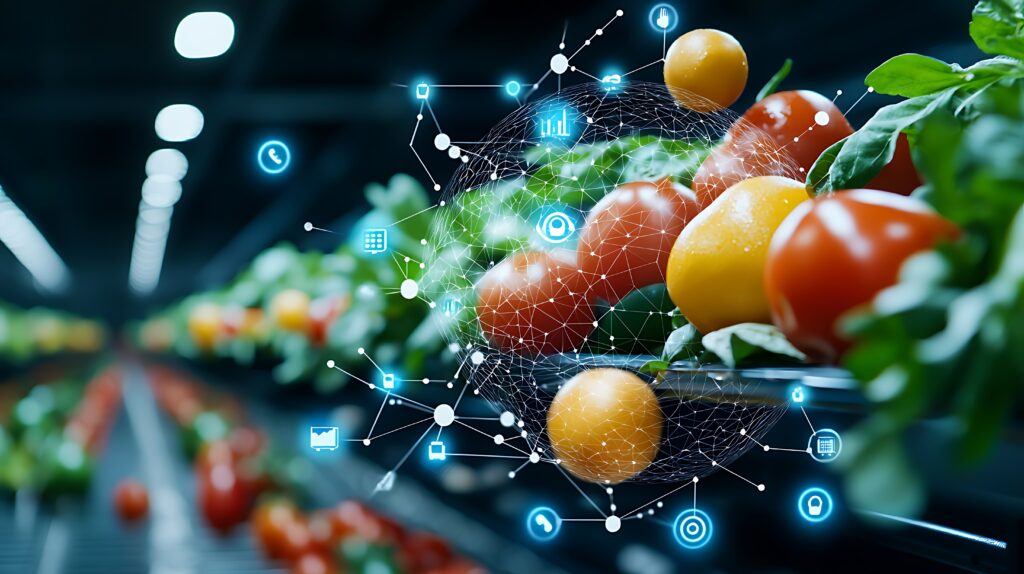
Internet of Things (IoT) sensors continuously measure environmental conditions. Cloud-based monitoring platforms provide real-time alerts. RFID technology improves traceability by recording product movement throughout production and distribution. Together, these technologies create greater visibility across the supply chain, enabling organizations to make faster and more informed decisions.
Data is no longer collected simply because standards require documentation.
It has become a strategic resource for protecting both food safety and product quality.
Consumer Trust Is Built on Evidence

Today’s consumers expect transparency.
They want confidence that products have been manufactured, transported, and stored under appropriate conditions before reaching store shelves. Businesses that can demonstrate this transparency earn stronger consumer trust and greater brand loyalty.
Traceability systems provide this evidence.
When manufacturers can document where a product has been stored, how long it remained in each location, whether temperature limits were maintained, and whether handling conditions complied with established procedures, they move beyond promises and provide objective proof of quality.
This level of visibility benefits every part of the organization.
Production teams gain better process control.
Quality departments identify deviations more quickly.
Management reduces product losses and food waste.
Auditors receive reliable documentation.
Customers receive products with consistent sensory quality.
Ultimately, protecting flavor is about protecting reputation.
Every accurate measurement, every verified record, and every timely corrective action contributes to maintaining the experience consumers expect from a trusted brand.
Conclusion

Flavor does not disappear overnight, nor is it preserved by chance.
It is influenced continuously by temperature, humidity, oxygen, light, time, transportation, storage conditions, and every decision made throughout the supply chain.
Food safety management systems such as HACCP, GMP, ISO 22000, and FSSC 22000 teach us that monitoring is essential for controlling hazards. However, the same monitoring systems also provide something equally valuable: the ability to preserve product quality and maintain consumer confidence.
Organizations that collect meaningful data, analyze trends, and respond proactively are better positioned to deliver products that remain consistent from production to consumption.
Because outstanding flavor is not simply created in the factory.
It is protected by every measurement, every record, and every informed decision made along the way.
Taste doesn’t lie. Neither should your data.