
ISO 9001 – A Quality Management System that strengthens business
February 26, 2026
Sampling Procedures and Processing
March 11, 2026
In recent years, consumers have started asking deeper questions about the food they buy:
Where does it come from?
What exactly does it contain?
Is it safe, sustainable, and aligned with my health goals?
“Clean label” is no longer just a marketing phrase. It represents transparency, simplicity, and trust. Now, with the emergence of Digital Product Passport (DPP) we are entering a new era — where clean labels are supported by clean, verifiable data.
What Is a Digital Product Passport (DPP)?

A Digital Product Passport (DPP) is a structured digital record that contains comprehensive information about a product throughout its lifecycle. In the food and nutrition sector, this may include:
Ingredient origin
Nutritional values
Allergen information
Production and processing details
Certifications (organic, GMP, HACCP, ISO, etc.)
Sustainability metrics
Storage and shelf-life data
Unlike traditional packaging labels, a DPP can be accessed through QR codes or digital platforms, offering real-time, transparent, and traceable data.
Why Clean Labels Need Clean Data
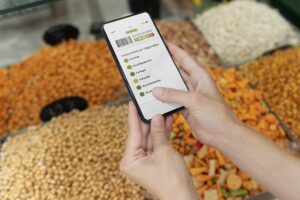
A clean label may state “no artificial additives” or “natural ingredients,” but how can consumers verify these claims?
This is where DPPs become transformative.
Digital Product Passports:
Reduce information asymmetry
Increase traceability across the supply chain
Strengthen food safety monitoring
Improve compliance with HACCP and GMP systems
Build measurable consumer trust
For food safety professionals and nutrition experts, this means moving from static documentation to dynamic, digital traceability systems.
Supporting Dietary Transparency

Modern consumers are not just buying food — they are managing health conditions, tracking macros, avoiding allergens, and following personalized diets.
DPPs can support:
Allergen Transparency
Detailed, verified allergen data reduces risk and improves consumer safety.
Personalized Nutrition
Imagine scanning a product and instantly seeing whether it fits your:
Low-carb diet
Gluten-free plan
Diabetes-friendly nutrition strategy
Vegan lifestyle
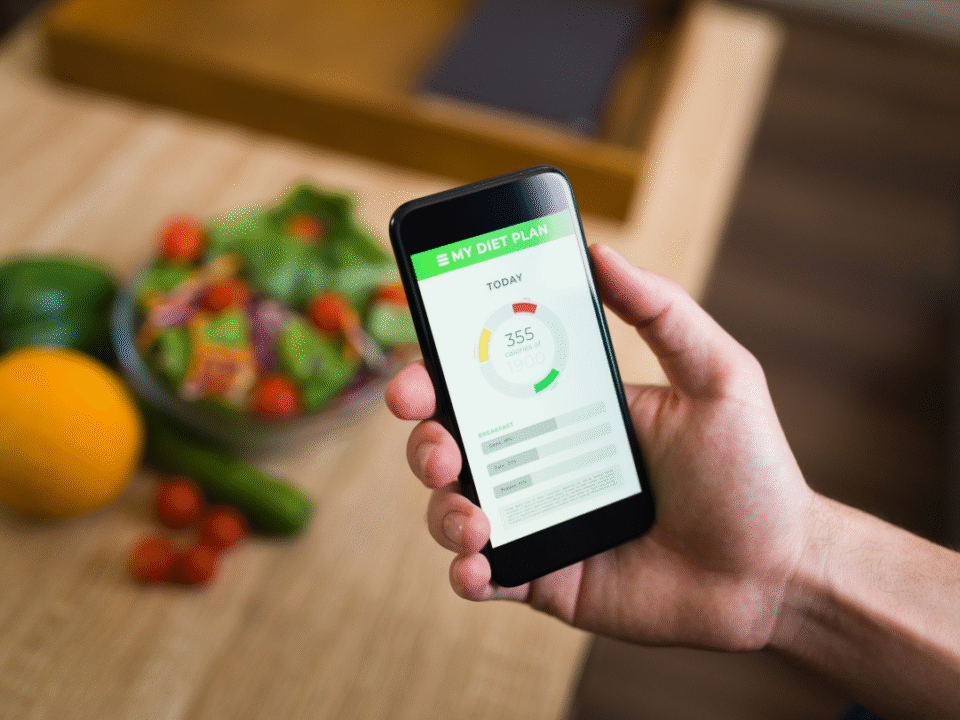
Digital systems can integrate with health apps, making nutrition selection smarter and safer.
Nutritional Accuracy
Instead of relying solely on printed values, DPPs allow updates if formulations change, ensuring consumers access the most accurate data.
The Role of Technology Partners

What Altinteg Does
Traceability as a Service: Altinteg develops digital systems that integrate data at every stage — from production to shelf — enabling real-time tracking and visibility.
RFID and Data Codes: The company uses RFID, Data Matrix, and GS1 standards to improve product identification, speed, and accurate monitoring.
System Integration: Altinteg’s platforms combine multiple technologies, allowing companies to easily manage data, audits, and quality control processes.
Efficiency and Sustainability: Their solutions help businesses reduce operational costs, automate production processes, and increase consumer trust.
Founded in 2023, Altinteg has international experience in RFID, traceability, and product information management, positioning the company as a strong partner for businesses ready to transition to modern, digital, and transparent systems.
Conclusion

The future of food and nutrition is transparent, personalized, and digital.
Digital Product Passports bridge the gap between:
Food safety
Nutrition science
Sustainability
Consumer trust
For professionals in food safety, HACCP implementation, GMP monitoring, and nutrition education, DPPs represent the next logical evolution — from documentation to intelligent traceability.
In a world where consumers demand more than promises, clean labels must be backed by clean data.
And Digital Product Passports are making that possible.