
How to Get HACCP Certification – Protecting Your Business and Customers
December 17, 2025
Your Grocery Label Might Be Lying — Let’s Fix That with RFID and Food Science
January 13, 2026
In 2025, the global food system faces a paradox: while millions go hungry every day, roughly one-third of all food produced is wasted before it even reaches a plate. This waste occurs at every step — from farms and manufacturers to retailers and households — and it carries enormous environmental, economic, and nutrition costs. Broken cold chains, poor inventory tracking, and expired products contribute not only to lost calories but also to lost nutrients that could support healthier diets worldwide.
To reconcile food waste reduction with nutrition retention and food safety, businesses are increasingly turning to RFID (Radio Frequency Identification) technology — a powerful tool that enhances visibility across the supply chain and helps ensure that nutritious foods are consumed before spoilage occurs.
In this blog, we’ll explore the food waste problem, explain how RFID systems work in tracking expiration and storage conditions, highlight why RFID matters for food health, and share five key benefits that partners like Altinteg can deliver to businesses seeking actionable solutions.
Today Food Safety Alliance will speak about Food Waste and RFID.
The Food Waste Challenge in 2025

Food waste doesn’t just represent missed meals — it undermines nutritional outcomes and contributes heavily to carbon emissions, water use, and resource depletion. An estimated 1.3 billion metric tons of food is wasted annually, including large quantities of fruits, vegetables, dairy, and animal proteins — foods rich in essential nutrients.
Food waste stems from several systemic challenges:
Inadequate temperature control in cold chain logistics leads to spoilage before products reach consumers.
Manual inventory tracking limits accuracy and leads to expired products on shelves and in warehouses.
Limited real-time visibility into where goods are in the supply chain, making proactive decision-making difficult.
These inefficiencies not only waste calories but also degrade nutrition: perishable items with high vitamin and mineral content are more vulnerable to temperature fluctuations and handling errors that diminish quality.
What Is RFID and Why It Matters?
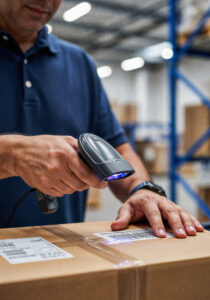
RFID (Radio Frequency Identification) is a technology that uses radio waves to automatically track tags attached to products. Unlike barcodes, RFID does not require line-of-sight scanning — readers can detect hundreds of tagged items at once and gather detailed data about each product.
When applied to food systems, RFID does much more than count items:
Tags can include expiration and batch information.
Advanced RFID tags with temperature and environmental sensors monitor storage conditions throughout the supply chain.
Real-time data feeds help businesses adjust storage, redistribute at-risk items, or accelerate sales promotions before products expire.
For retailers, producers, and supply chain managers, RFID helps turn data gaps into actionable insights — so nutritious food isn’t lost simply due to poor tracking or suboptimal storage.
RFID’s Role in Protecting Nutrition and Reducing Waste

Here’s how RFID specifically improves both food health and waste outcomes:
1. Accurate Expiration Tracking
RFID tags store and transmit detailed product date information. Instead of relying on manual checks or shelf-tag guesses, systems automatically flag items approaching expiration. Retailers and warehouses can prioritize these products for sale, donation, or redistribution before nutritional value deteriorates — driving down waste and preserving quality.
2. Real-Time Monitoring of Storage Conditions
Goods like dairy, meat, and fresh produce require consistent environmental conditions to retain nutrients. RFID tags with sensors monitor temperature, humidity, and other variables throughout transit and storage. Alerts trigger when conditions deviate, allowing corrective action that prevents spoilage and nutrient loss.
3. Enhanced Supply Chain Transparency
RFID builds full traceability — from farm to fork — so businesses can pinpoint where issues arise, whether in transit or in storage. This transparency not only supports food safety compliance but also fosters consumer trust in nutrition claims and product quality.
4. Efficient Inventory Optimization
Gone are the days of sporadic stocktakes and guesswork. RFID provides continuous data on what is in inventory and where, reducing overstocking of low-turn items and understocking of high-demand nutritious foods. This leads to less waste and better product freshness.
5. Faster and More Targeted Food Donations
With precise insights into what products will expire soon, businesses can coordinate timely donations to food banks and community partners — ensuring that surplus nutritious food gets distributed to those who need it, not to the landfill.
Five Business Benefits of RFID With Altinteg

Altinteg’s RFID solutions help businesses unlock measurable impacts on waste reduction and nutritional integrity. Benefits include:
Increased Inventory Accuracy
RFID automates data capture and eliminates human error — giving brands a reliable, real-time view of stock and reducing unnecessary waste.Improved Efficiency and Cost Savings
Automated tracking speeds up processes, reduces labor, and cuts losses due to expired goods — boosting financial performance.Enhanced Food Quality and Safety
Continuous monitoring safeguards perishable foods, minimizing temperature-related spoilage that compromises nutrients.Better Demand Forecasting and Shelf Life Management
RFID data supports smarter ordering and shelf life strategies, aligning stock levels with actual consumption patterns.Sustainability and Brand Trust
Reducing waste and sharing traceability data enhances sustainability credentials and strengthens consumer confidence in nutrition claims and product quality.
Conclusion: Smart Tracking for a Healthier Food System

The challenge of food waste in 2025 is undeniable — but it also represents an opportunity. By adopting RFID technology and partnering with expert service providers like Altinteg, businesses can protect both food value and nutritional integrity, while driving efficiency and sustainability throughout the supply chain.
Ultimately, RFID doesn’t just help reduce waste — it helps ensure that every nutrient-rich meal has a better chance of reaching a hungry consumer, not a trash bin.