Empowering Nutrition Transparency with RFID and Traceability Tech
March 24, 2026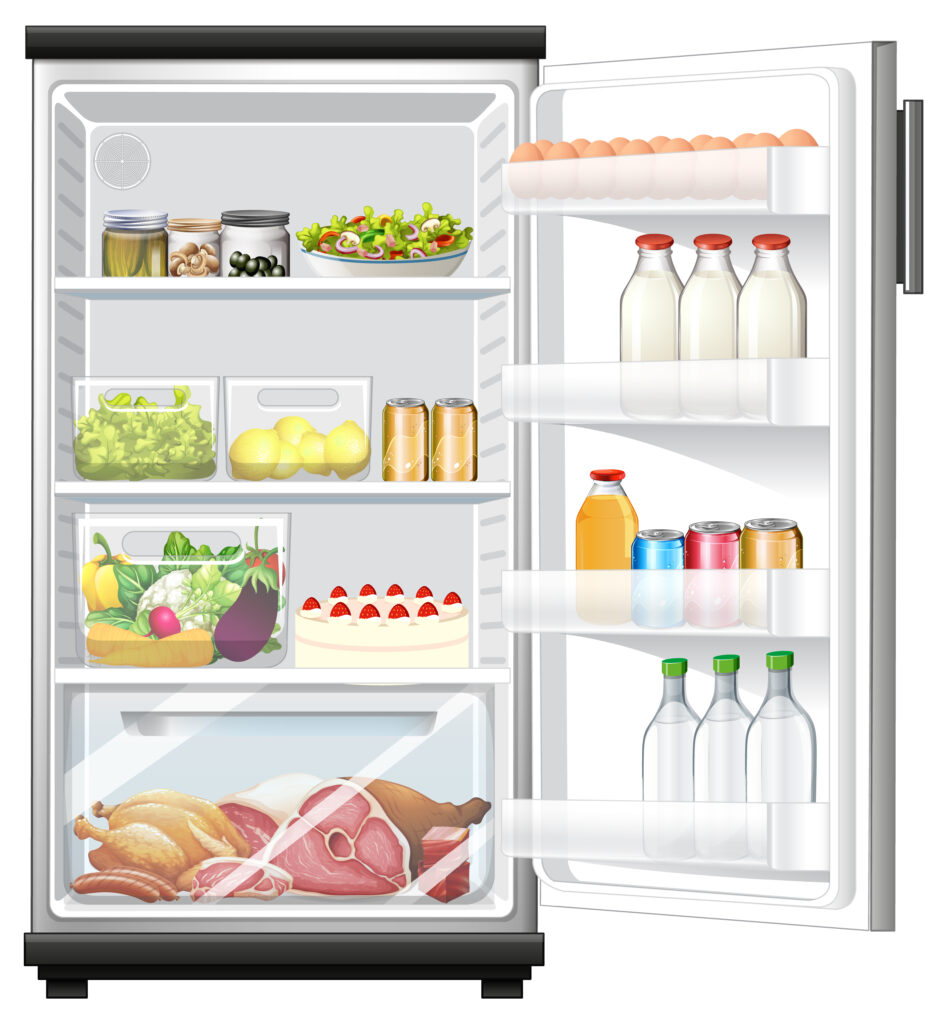
Proper food storage in the refrigerator is one of the most important factors affecting both food quality and safety. Incorrect storage conditions can lead to bacterial growth, cross-contamination, and the spread of allergens.
This guide explains how to organize your fridge, maintain correct temperatures, and safely store different categories of food.
1. Food Categories and Proper Placement
Organizing your refrigerator correctly is essential for food safety. Different food categories should be stored separately to minimize contamination risks.
Raw meat and fish should always be stored on the bottom shelf in sealed containers to prevent dripping onto other foods. Ready-to-eat and cooked foods should be placed on upper shelves where the risk of contamination is lower.
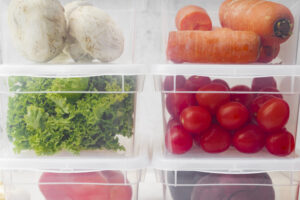
Dairy products such as milk, yogurt, and cheese should be stored in the middle section of the fridge where temperature remains stable. Fruits and vegetables should be kept in designated drawers that maintain appropriate humidity levels.
Eggs should be stored in their original packaging rather than in the fridge door, as frequent opening causes temperature fluctuations.
2. Temperature Control and Its Importance

Maintaining the correct temperature is critical for food safety. The recommended refrigerator temperature is between 0°C and +5°C, while the freezer should be set at -18°C or lower.
At these temperatures, bacterial growth slows significantly but does not stop entirely. Therefore, food should not be stored for extended periods even under refrigeration.
Regular monitoring using a thermometer is highly recommended. Overloading the fridge is a common mistake that disrupts air circulation and leads to uneven cooling.
3. Safe Defrosting Practices
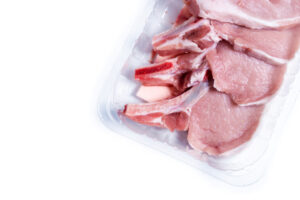
Defrosting frozen food improperly is one of the most common food safety mistakes. When food is left at room temperature, it enters the “danger zone” (5°C – 60°C), where bacteria multiply rapidly.
Safe methods include defrosting in the refrigerator, using a microwave just before cooking, or placing sealed food in cold water.
Food should never be defrosted at room temperature, as this significantly increases the risk of foodborne illness.
4.Storage of Meat, Fish, Allergens, and Eggs
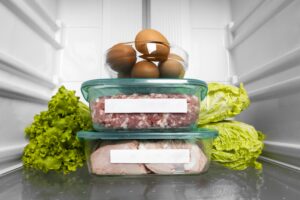
Meat and fish are high-risk products and should be stored at -18°C in the freezer. When kept in the fridge, they should be used within a short time and always stored in sealed containers.
Allergen management is equally important. Foods containing allergens should be stored separately and clearly labeled to prevent cross-contact.
Eggs should remain in their original packaging and should not be washed before storage. Washing removes the natural protective layer and increases contamination risk.
Final Thoughts

Proper food storage is a fundamental element of food safety. By organizing your fridge correctly, controlling temperature, and following hygienic practices, you can significantly reduce risks and ensure safer food consumption. No matter are you food producer or housewife just follow this rules to avoid cross-contamination or microbiological risks.