
Verification vs Validation
April 20, 2026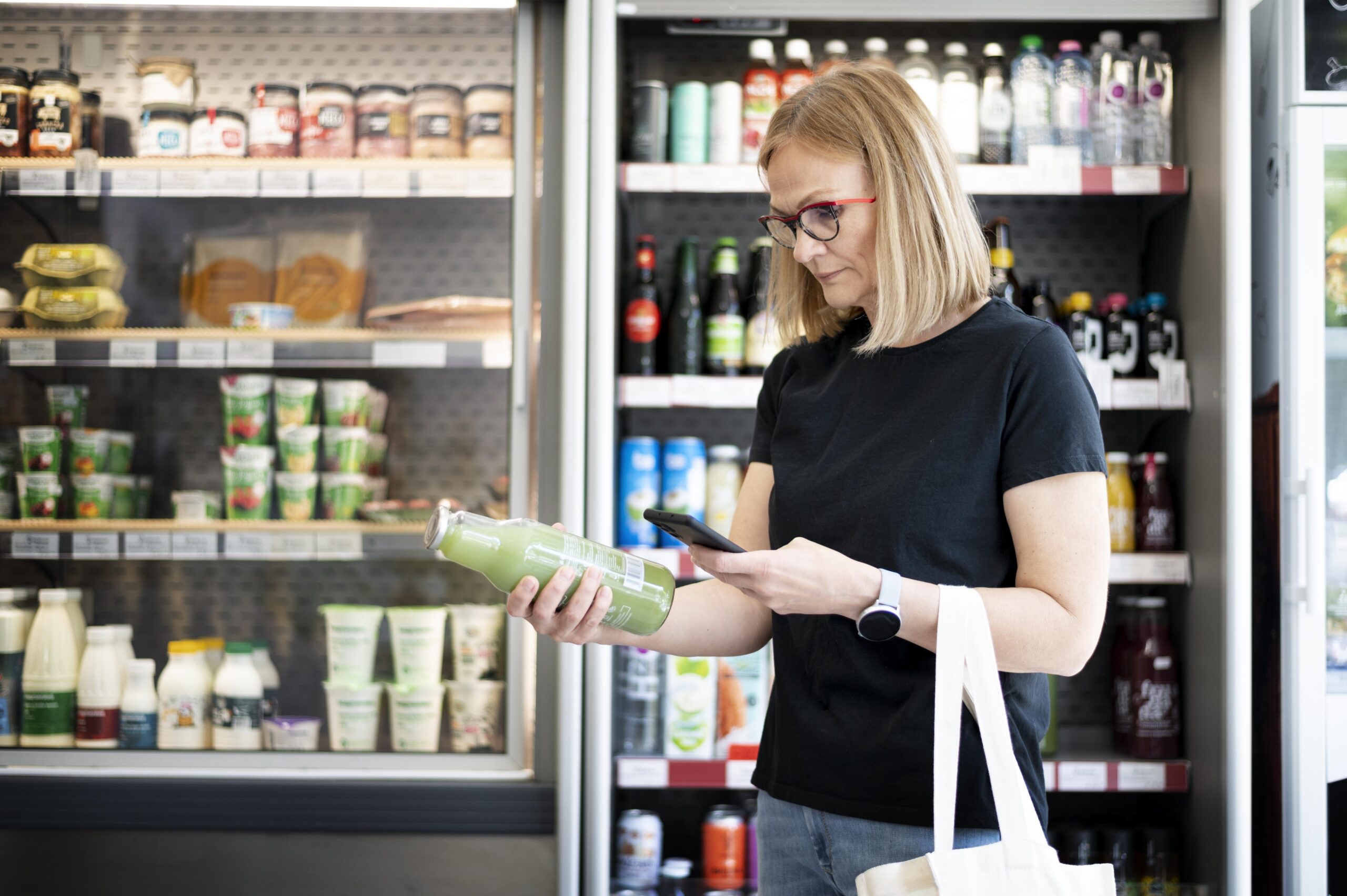
Product Shelf-Life Extension — What Do We Need to Know?
May 4, 2026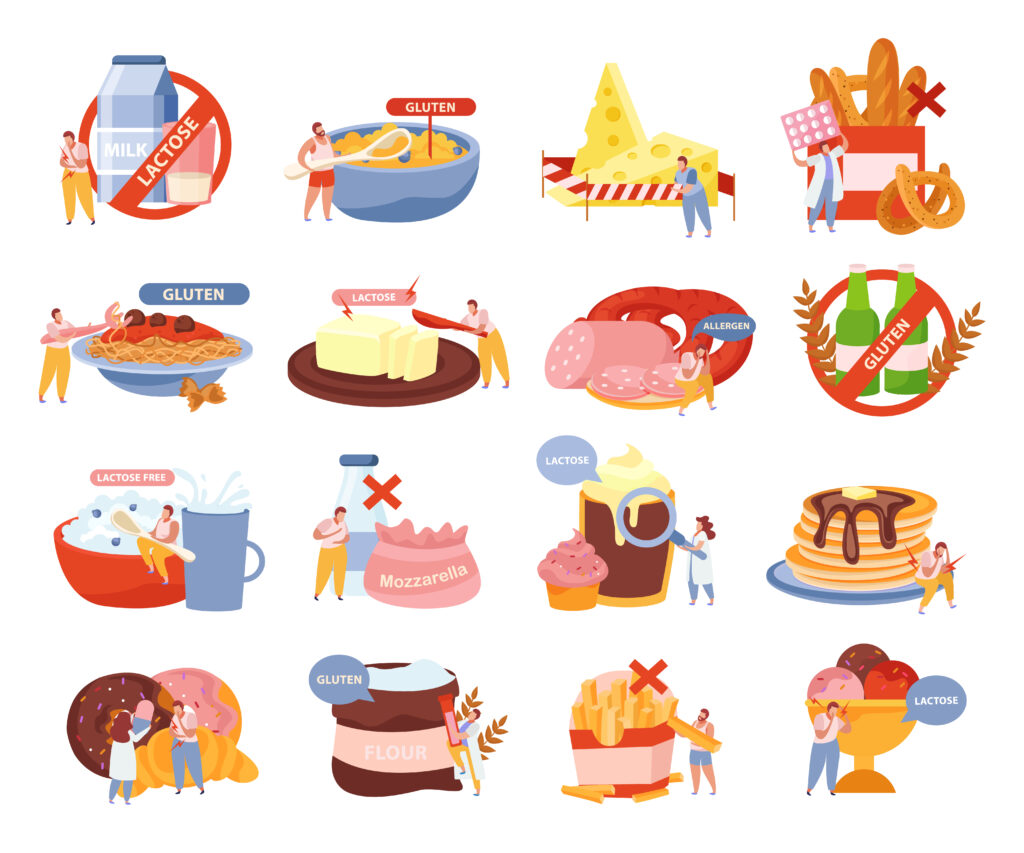
Lactose and gluten intolerance icons set with food symbols flat isolated vector illustration SSUCv3H4sIAAAAAAACA3VRwU7DMAz9lcjnioG49cwAISZNcJw4uIm3maUJit2Oaeq/45RN4sIptp/9nv1yhg6FPbRn4BgH0YLKOUF71wAF1lwYI7S3UwOiqIOQWK9lHpV2hs75lWRzrnVo4THn4DAF91A4HcCGh87KKxZPMWKiPAhMzbX9mTDq3mOhxcpUvUn+M/LRAO4o+VPdwtYoFAnnpTYGHY5Kpb9sOHKg/BviELiGMGbjNvy+XmDX5r5WdwW/9uwLj1RqHki8BfCKXrPQfMguDkrJcdIcqWDy5NjnJE5I3ZF177b1Zjn1XY7ithHVsWR7KLiRjKi4vw7fuKXZi10kt1y/zxJvlAJZV3Iv6yejK72Z04B+V4uguXg1qy5y92mcsqiiBuWD/dg0TT/QGjdtzwEAAA==
1. When Food Becomes a Risk
For millions of people worldwide, eating is not just a daily routine — it is a calculated risk.
A trace of peanut, a drop of milk, or an undeclared ingredient can transform an ordinary meal into a life-threatening emergency within minutes.
Food allergies are not minor inconveniences. They are serious medical conditions that can lead to severe reactions, including anaphylaxis. What makes them even more dangerous is their unpredictability — even the smallest exposure can trigger a critical response.
This is why food safety is no longer only about hygiene or microbiological control. It is about precision, transparency, and trust.
Consumers today rely heavily on product labels to make safe choices. However, trust in those labels must be absolute. A single failure in communication or data accuracy can have real human consequences.
In this context, allergen management is not just a regulatory requirement — it is a responsibility that directly impacts lives.
2. The Critical Role of Trust in Product Data
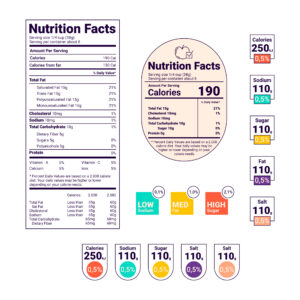
Trust is the foundation of food safety systems. Without it, even the most advanced production processes lose their value.
When consumers pick up a product, they trust that:
- The ingredient list is complete and accurate
- All allergens are clearly declared
- The product has been handled according to safety standards
But traditional food labeling systems are often static and limited. They provide a snapshot — not the full story.
For example, a label may list ingredients correctly, but it does not tell us:
- Whether the product was stored near allergenic materials
- Whether cross-contact occurred during production
- Whether packaging errors were detected and corrected in time
This gap between what is declared and what actually happens creates risk.
In a modern food system, where supply chains are complex and global, relying solely on static labels is no longer sufficient.
Consumers need dynamic, reliable data — and systems that ensure its integrity.
3. Traceability as a Living System
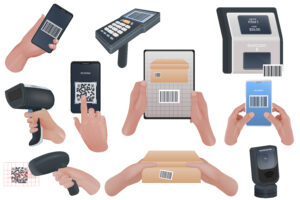
This is where traceability transforms from a compliance tool into a life-saving system.
Modern technologies such as RFID (Radio Frequency Identification) and smart labeling enable real-time data collection and tracking across the entire supply chain.
Traceability is no longer just about “where the product is.”
It is about understanding everything that has happened to the product.
With advanced traceability systems, companies can create a “living map” of the product lifecycle, including:
- Origin of raw materials
- Processing conditions
- Storage environments
- Transportation routes
- Points of potential allergen exposure
This allows businesses to answer critical safety questions instantly:
- Was the product stored near allergens like nuts?
- Was it processed in a shared facility or on shared equipment?
- Was the packaging handled in an environment with allergen risks?
- Was a mislabeled product quickly identified and removed from the market?
Real-time traceability enables faster recalls, more accurate risk assessments, and proactive decision-making.
Instead of reacting to incidents, companies can prevent them.
This shift from reactive to preventive food safety is a major step forward — especially in allergen management.
4. Making Allergen Transparency the Standard
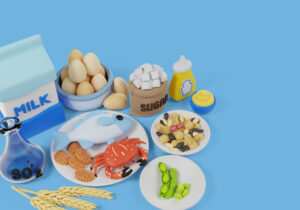
Allergen transparency should not be treated as an additional feature — it must become the default standard in food production.
True transparency means more than listing allergens on a label. It means:
- Providing access to real-time product data
- Ensuring full visibility across the supply chain
- Communicating risks clearly and honestly
For consumers with allergies, this level of transparency is not a luxury — it is essential for survival.
For businesses, it is also a strategic advantage. Brands that invest in transparency build stronger relationships with consumers, improve their reputation, and reduce the risk of costly recalls and legal consequences.
Integrating traceability systems with HACCP principles, digital monitoring tools, and smart technologies creates a holistic food safety ecosystem.
This ecosystem does not just manage risks — it actively reduces them.
Conclusion

Traceability is no longer just a logistical necessity — it is a life-saving infrastructure.
By investing in real-time data systems, smart labeling, and transparent allergen management, we move from simply tracking products to actively protecting people.
The future of food safety depends on trust — and trust depends on data integrity.
It is time to make allergen transparency the default, not the exception.
It is time to build systems where consumers can trust what they read — and believe what they eat.