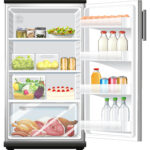
How Should We Store Food in the Fridge?
March 31, 2026
Verification vs Validation
April 20, 2026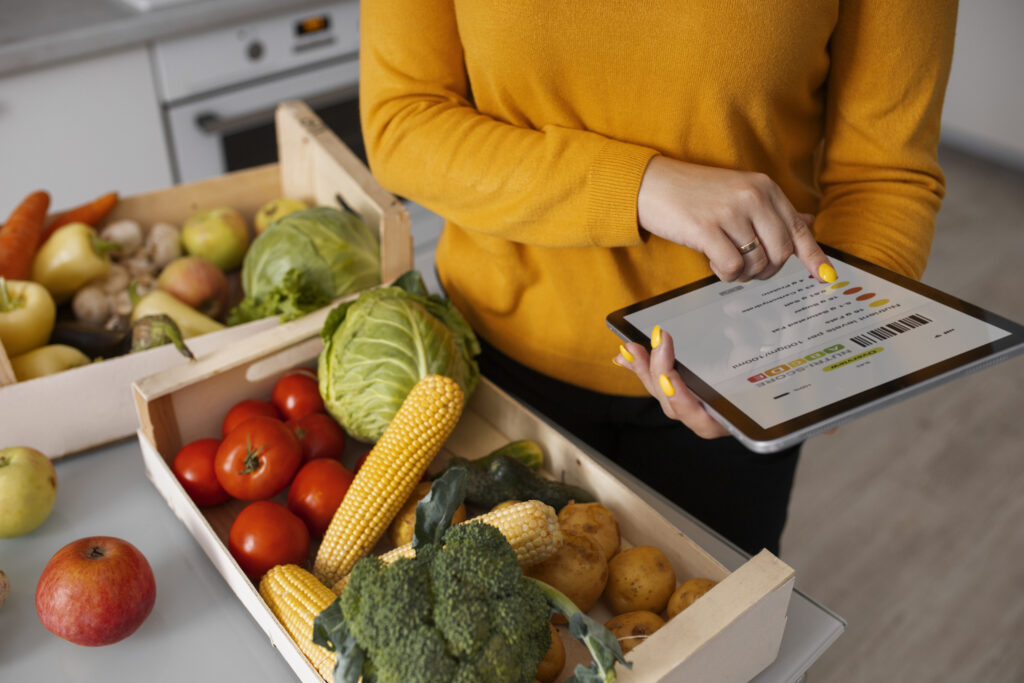
1. Hidden Risks in Modern Food Supply Chains

In today’s globalized food systems, risks often develop silently and without immediate visibility. A slight temperature deviation during transportation, improper storage conditions, or unnoticed cross-contamination can compromise product safety long before it reaches consumers. These issues are not always dramatic or obvious — in fact, the most dangerous risks are often the ones that go unnoticed.
Food supply chains involve multiple stages: production, processing, storage, transport, and retail. At each step, small failures can accumulate into serious hazards. For example, a refrigeration unit that temporarily malfunctions may not trigger alarms but can still allow bacterial growth. Similarly, improper labeling or batch misplacement can lead to traceability gaps, making it difficult to identify affected products during recalls.
Without proper monitoring systems, businesses rely heavily on manual checks, which are prone to human error. This creates blind spots where contamination or overheating events can occur undetected. Understanding these hidden risks is the first step toward building a safer and more resilient food system.
2. Overheating and Its Impact on Food Safety
Temperature control is one of the most critical factors in food safety. When food products are exposed to temperatures outside safe ranges, it creates ideal conditions for microbial growth. Pathogens such as Salmonella, Listeria, and E. coli can multiply rapidly, increasing the risk of foodborne illnesses.
Overheating is particularly dangerous because it does not always visibly alter the product. A shipment may look perfectly fine upon arrival, yet still be unsafe due to temperature abuse during transit. This is especially relevant for perishable goods such as dairy, meat, seafood, and ready-to-eat meals.
Additionally, repeated temperature fluctuations — even within short periods — can degrade product quality, shorten shelf life, and lead to financial losses. Businesses may face product recalls, reputational damage, and regulatory penalties.
Implementing strict temperature monitoring systems, including sensors and automated alerts, is essential. However, traditional systems often lack real-time visibility, meaning issues are only discovered after damage has already occurred.
3. Cross-Contamination: A Silent Threat

Cross-contamination remains one of the leading causes of food safety incidents. It occurs when harmful microorganisms are transferred from one surface, product, or environment to another. This can happen during storage, handling, or transportation.
In warehouses, improper separation of raw and ready-to-eat products is a common risk. Shared equipment, inadequate sanitation, or poor employee hygiene can further contribute to contamination. Even packaging materials can become sources of contamination if not handled correctly.
The challenge with cross-contamination is that it is often invisible. There are no immediate signs, and contamination may only be detected after consumers become ill. This makes prevention and monitoring absolutely critical.
Effective control measures include proper zoning, hygiene practices, staff training, and sanitation procedures. However, without traceability, identifying the source of contamination can be extremely difficult. Businesses need systems that allow them to track product movement and conditions at every stage of the supply chain.
4. The Power of Real-Time Traceability

Real-time traceability is transforming how food safety risks are managed. By using digital tools such as IoT sensors, cloud-based platforms, and automated tracking systems, companies can monitor products continuously throughout the supply chain.
This technology provides instant visibility into key parameters such as temperature, humidity, location, and handling conditions. If a deviation occurs, alerts can be triggered immediately, allowing corrective actions before the product is compromised.
Traceability systems also enable faster and more accurate recalls. Instead of recalling entire batches, companies can identify specific affected products, reducing waste and protecting brand reputation.
Moreover, real-time data supports better decision-making, improves compliance with food safety standards, and enhances transparency for consumers and regulators.
In an industry where timing is critical, real-time traceability shifts food safety from reactive to proactive — preventing issues rather than responding to them.
Conclusion

In an increasingly complex and fast-moving food supply chain, risks like overheating, cross-contamination, and traceability gaps are no longer isolated incidents — they are systemic challenges that require proactive and intelligent solutions. What makes these risks particularly dangerous is not just their impact, but their ability to develop silently, without immediate detection, and escalate into serious food safety incidents.
This is where the shift from traditional monitoring to real-time traceability becomes critical. Businesses can no longer rely solely on periodic checks, manual records, or reactive responses. Instead, they must adopt integrated systems that provide continuous visibility, instant alerts, and data-driven insights across every stage of the supply chain.
Real-time traceability is not just a technological upgrade — it is a strategic investment in food safety culture, operational efficiency, and consumer trust. It enables faster decision-making, minimizes product losses, ensures regulatory compliance, and protects brand reputation in an increasingly transparent market.
Ultimately, the future of food safety lies in prevention, not reaction. Companies that embrace innovation, strengthen control systems, and prioritize transparency will not only reduce risks but also gain a competitive advantage. Because in today’s food industry, safety is not just a requirement — it is a responsibility.