
Food Safety Awareness — Why HACCP Is Essential for Modern Businesses
May 11, 2026
Bakery and Confectionery – Food Safety Challenges
May 26, 2026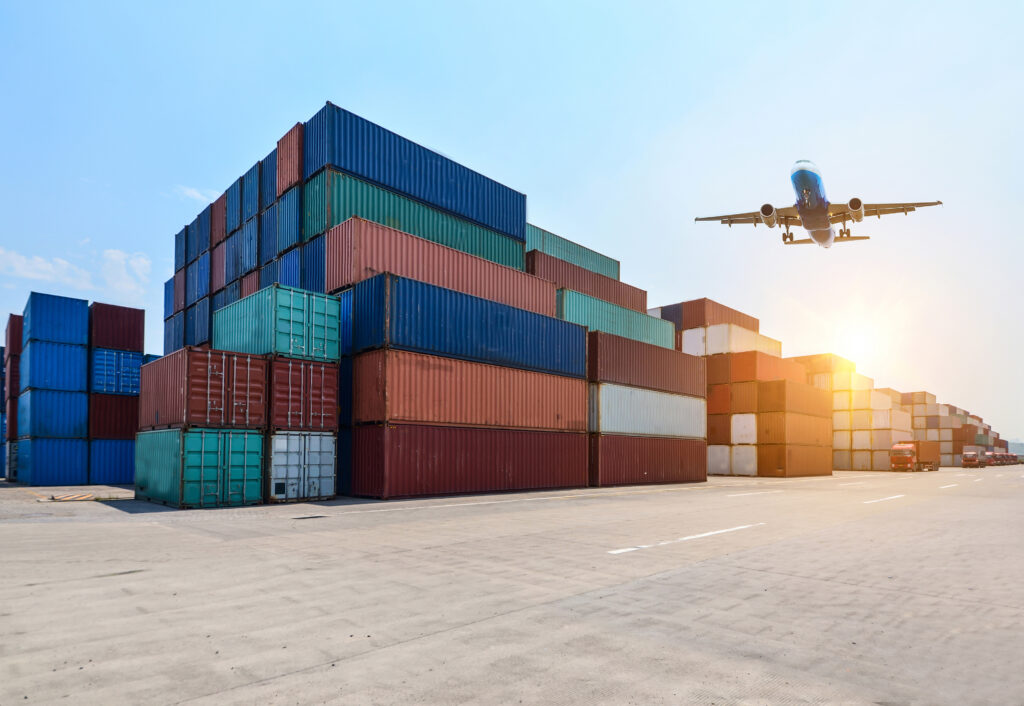
The Hidden Risk in Food Logistics

A product can leave the production facility in perfect condition, fully compliant with food safety and quality standards — and still arrive at its destination compromised. In many cases, the issue is not dramatic temperature abuse or complete refrigeration failure. The real danger often comes from small but repeated temperature fluctuations throughout the supply chain.
Temperature stress is one of the most underestimated risks in food logistics. Even brief interruptions in proper storage conditions can gradually damage product integrity, shorten shelf life, and increase food safety risks. In today’s global supply chains, consistency is no longer optional — it is a critical quality parameter, which can be controlled through Altinteg services.
1. What Is Temperature Stress?
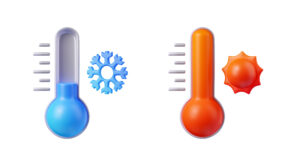
Temperature stress occurs when products are exposed to unstable environmental conditions during transportation, loading, storage, or distribution. These fluctuations may seem minor, but they can significantly impact sensitive food products.
For example:
- Frozen products partially thawing during loading
- Refrigerated foods exposed to warm air during transport delays
- Frequent opening of cold storage doors
- Inconsistent cooling during long-distance logistics
Unlike visible spoilage, temperature stress often remains unnoticed until the product reaches the consumer. By that point, texture, flavor, appearance, and microbiological stability may already be affected. At this stage, the most effective solution is the use of a smart system that monitors the condition of products and sends notifications in case of temperature deviations, indicating at which stage and what kind of temperature change was detected.
2. Why Consistency Matters More Than Extremes

Many companies focus only on avoiding extreme temperatures. However, constant fluctuations between acceptable and unacceptable ranges can be equally dangerous.
Even short exposure to improper conditions can:
- Alter taste and texture
- Accelerate microbial growth and spoilage
- Reduce shelf life
- Compromise food safety
- Invalidate certifications and compliance requirements
Products such as dairy, meat, seafood, ready-to-eat meals, chocolate, and pharmaceuticals are especially vulnerable to temperature instability.
Consistency helps maintain:
- Product integrity
- Regulatory compliance
- Consumer trust
- Brand reputation
In modern food safety systems, stable temperature management is not just an operational requirement — it is part of risk prevention.
3. The Importance of Real-Time Monitoring

One of the biggest challenges in food logistics is the lack of visibility. Without real-time monitoring, companies may never know exactly where the problem occurred.
Traditional temperature checks provide only limited snapshots. They do not show what happened between checkpoints, during transportation, or at temporary storage locations.
Smart technologies are changing this reality. With smart sensors and RFID-enabled traceability systems, businesses can:
- Monitor environmental conditions at every stage
- Detect stress events immediately
- Identify fridge failures or excessive loading times
- Flag compromised batches before products reach the shelf
Real-time data allows faster decision-making and helps prevent costly recalls, waste, and reputational damage.
4. Protecting Product Integrity and Consumer Trust

Consumers expect safe, high-quality products every time they make a purchase. A single temperature-related incident can damage customer confidence and negatively impact a company’s reputation.
By investing in consistent cold chain management and traceability systems, businesses not only protect products — they also protect their brand.
Temperature control should never be treated as a simple checkbox. It is directly connected to:
- Food safety culture
- Operational excellence
- Regulatory compliance
- Customer satisfaction
The future of food logistics depends on proactive monitoring, transparency, and consistency.
Conclusion

Temperature matters — but consistency matters even more.
A product can meet every standard at departure and still fail during transportation if environmental conditions are not properly controlled. Small fluctuations may seem harmless, but over time they can compromise safety, quality, and consumer trust.
With modern monitoring technologies and smarter traceability systems, businesses now have the tools to identify risks before products reach consumers and to prevent a product recall.
Temperature consistency is not just a technical requirement. It is a critical quality parameter that protects products, brands, and people.