
Trust the Allergen-Why Traceability Saves Lives?
April 27, 2026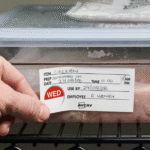
Shelf Life vs. Real Life — Static Dates Don’t Work Anymore
May 4, 2026
Food safety is an essential aspect of our daily lives, and it is crucial to ensure that the food we consume is safe and healthy. One of the key factors in ensuring food safety is proper storage and handling of food. Proper storage includes extending shelf life, validation, and conducting organoleptic and microbiological testing. In this blog, Food Safety Alliance discusses the importance of these factors and how they contribute to ensuring food safety.
Shelf-Life Extension and Validation

Shelf-life extension is the process of prolonging the usability period of a food product. It is essential to ensure that the food whose shelf life has been extended remains safe for consumption. Food manufacturers usually provide expiration dates on product labels, which serve as guidance on how the product should be handled and used. However, it is important to note that expiration dates are not an exact science, and food can spoil before the indicated date if it is not stored under proper conditions.
To ensure the safety of the food we consume, manufacturers conduct validation studies to determine the appropriate shelf life of their products. Validation studies involve testing the product under various conditions to assess how long it can be stored before it begins to spoil.
Organoleptic and Microbiological Testing

Organoleptic testing refers to the sensory evaluation of food products, which includes taste, smell, texture, and appearance. This type of testing is essential to ensure that the food we consume is of high quality and safe for consumption. It helps identify any abnormalities in food, such as off-flavors, unusual odors, or changes in texture.
Microbiological testing involves examining food products for the presence of microorganisms, such as bacteria or viruses. This type of testing is crucial to ensure that the food we consume is free from harmful microorganisms that could cause foodborne illnesses or poisoning.
Perishable Products
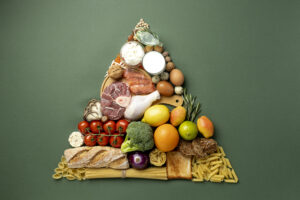
Food products can be perishable. Perishable products are foods that spoil quickly and require careful handling and proper storage conditions. Examples of perishable products include fresh meat, dairy products, and fresh fruits and vegetables. The storage duration of perishable products typically ranges from 6 to 72 hours, under temperature conditions not exceeding 6°C.
HACCP Principles
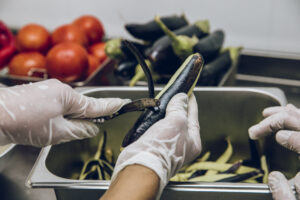
To ensure food safety, it is essential to follow proper food handling practices, such as the Hazard Analysis and Critical Control Points (HACCP) system. The HACCP system is a preventive approach to food safety that involves identifying and addressing potential hazards throughout the food production process.
Proper hygiene is also crucial for ensuring food safety. This includes handwashing, properly cleaning food preparation surfaces and equipment, and wearing appropriate protective clothing such as gloves and hairnets.
Conclusion

Extending the shelf life of ready-to-eat food includes date extension, validation, organoleptic and microbiological testing, as well as adherence to proper food handling practices such as HACCP, personal hygiene, and correct storage temperatures and conditions.
Food safety is a critical issue that concerns everyone, and it is essential to take it seriously. By following proper food handling practices and ensuring correct storage of food products, we can reduce the risk of foodborne diseases and ensure that the food we consume is safe and healthy.
For more detailed information, you can attend our training, which will be held on May 17–18, and receive comprehensive insights on all these topics.
Food safety is everyone’s responsibility, and we all can play our part in ensuring that the food we consume is safe and healthy.