Shelf Life vs. Real Life — Static Dates Don’t Work Anymore
May 4, 2026
Temperature Stress: Why Consistency Matters
May 18, 2026
What is Food Safety?
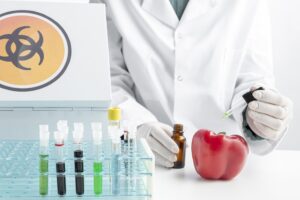
Food safety refers to the practices and systems used to ensure that food is safe for human consumption. It includes the prevention of biological, chemical, and physical hazards during food production, processing, storage, transportation, and distribution. The main goal of food safety is to protect consumers from illnesses caused by contaminated food and to maintain product quality throughout the supply chain.
Today, food safety is one of the most important responsibilities in the food industry. Consumers are becoming more aware of hygiene, product quality, labeling, and safe production practices. Businesses that fail to follow food safety standards risk losing customer trust and damaging their reputation.
Food safety begins with proper hygiene, sanitation, temperature control, employee training, pest control, and effective monitoring systems. International standards such as HACCP help businesses identify risks before problems occur.
According to the World Health Organization (WHO), approximately 600 million people worldwide become ill every year due to contaminated food. This highlights the global importance of food safety awareness and preventive systems.
When Did HACCP Become Mandatory in Georgia?

HACCP (Hazard Analysis and Critical Control Points) is an internationally recognized food safety management system designed to identify, evaluate, and control food safety hazards. In Georgia, HACCP implementation became gradually mandatory for different categories of food businesses.
According to the National Food Agency of Georgia, from June 1, 2021, the implementation of HACCP principles became mandatory for retail food businesses. Later, the requirements expanded to restaurants, food production facilities, and processing companies.
(nfa.gov.ge)
The main purpose of HACCP is preventive control. Instead of reacting to food safety incidents after they occur, businesses identify risks in advance and implement monitoring systems to avoid contamination.
The introduction of HACCP requirements in Georgia was also an important step toward harmonization with European food safety regulations. Today, many Georgian businesses use HACCP not only for legal compliance but also as a competitive advantage in local and international markets.
How Aware Are People About Food Safety?

Food safety awareness remains a global challenge. Although consumers today are more informed about healthy eating and hygiene practices, many people still underestimate the risks associated with improper food handling, cross-contamination, and unsafe storage conditions.
According to WHO statistics, 1 in 10 people worldwide become sick every year from contaminated food. This demonstrates that awareness and education regarding food safety still need significant improvement.
In Georgia, awareness campaigns and educational programs are regularly conducted by the National Food Agency and food safety organizations. These programs focus on hygiene practices, HACCP implementation, and consumer protection.
Improving food safety awareness is essential not only for businesses but also for families and consumers. Even small mistakes in food preparation or storage can lead to serious health consequences.
What is Food Intoxication?

Food intoxication, commonly known as food poisoning, occurs when a person consumes contaminated food or beverages. It can be caused by bacteria, viruses, parasites, toxins, chemicals, or poor hygiene conditions during food preparation and handling.
The most common symptoms of food intoxication include nausea, vomiting, diarrhea, stomach pain, fever, dehydration, and weakness. In severe cases, food poisoning may require hospitalization and can be especially dangerous for children, pregnant women, elderly people, and individuals with weakened immune systems.
The main causes of food intoxication include:
- Poor temperature control
- Cross-contamination
- Unwashed hands
- Contaminated equipment
- Expired products
- Unsafe raw materials
Implementing food safety systems such as HACCP significantly reduces the risk of foodborne illnesses and helps businesses maintain safe operations and consumer trust.
How Many People Are Poisoned Every Year Worldwide and in Georgia?

According to the World Health Organization, around 600 million people worldwide suffer from foodborne illnesses every year, while approximately 420,000 people die due to contaminated food.
Children under the age of five are among the most vulnerable groups affected by foodborne diseases. Studies show that unsafe food continues to be one of the leading causes of illness globally.
Georgia also records food intoxication cases every year. Research conducted between 2016 and 2020 showed that food poisoning cases were reported in almost all regions of the country, especially during the summer season.
These statistics clearly show the importance of proper food safety systems, hygiene monitoring, and preventive controls within the food industry.
What Risks Does It Create for Businesses and Brands?

Ignoring food safety standards creates serious risks for businesses and brands. The most immediate consequence is damage to reputation. Modern consumers quickly lose trust in companies associated with unsafe food products or food poisoning incidents.
Even a single food safety incident can result in:
- Loss of customers
- Negative social media exposure
- Financial losses
- Product recalls
- Legal penalties and lawsuits
- Business closure
Implementing HACCP and food safety management systems helps businesses prevent risks, improve product quality, and comply with international regulations. Today’s consumers prefer brands that demonstrate responsibility, transparency, and commitment to safety.
Food safety has become more than a legal requirement — it is now a key factor in brand reputation, customer loyalty, and long-term business success.