
Temperature Stress: Why Consistency Matters
May 18, 2026
How can we prevent cross-contamination?
June 1, 2026
Traditional breads and bakery products have been part of human culture for centuries. From artisanal sourdough to regional pastries and confectionery products, bakeries continue to play an essential role in the food industry. However, behind every loaf of bread or baked dessert lies a complex production process where food safety, hygiene, and quality control are critical.
Consumers today expect bakery products not only to taste good but also to be produced under safe and hygienic conditions. Poor handling, contamination, improper storage, and weak supplier control can lead to serious food safety risks, product recalls, and damage to brand reputation.
This article explores the main food safety risks in bakery and confectionery production, the most common industry problems, and practical preventive measures including CCP management, pest control, hygienic rules, supplier selection, warehouse conditions, and smart monitoring technologies .
1. Main Food Safety Risks in Bakery and Confectionery Production

Bakery production may appear low-risk compared to meat or dairy industries, but many hidden hazards exist throughout the process.
Biological Risks
The most common microbiological hazards include:
- Mold growth
- Yeasts
- Bacillus species in flour and raw materials
- Cross-contamination from employees or equipment
Cream-filled pastries, dairy-based desserts, and products containing eggs are especially vulnerable to bacterial contamination if temperature control is inadequate.
Physical Hazards
Physical contamination can occur from:
- Metal fragments
- Plastic particles
- Glass contamination
- Packaging residues
- Wood splinters from pallets or damaged equipment
Chemical Hazards
Chemical risks include:
- Cleaning chemical residues
- Lubricants from machinery
- Incorrect allergen management
- Pesticide residues in flour or ingredients
Allergen management is one of the biggest concerns in bakery production because products often contain gluten, nuts, milk, eggs, soy, and sesame.
Most Common Problems in Bakeries
Some of the most frequent food safety issues include:
- Poor personal hygiene practices
- Inadequate cleaning and sanitation
- Improper storage temperatures
- Pest infestations
- Weak supplier verification
- Cross-contamination between raw and finished products
- Lack of monitoring documentation
Prevention begins with a strong food safety culture and proper HACCP implementation.
2. HACCP and CCPs in Bread and Bakery Production

A proper HACCP system helps identify, evaluate, and control food safety hazards before they become serious problems.
Important CCPs (Critical Control Points) in Bakery Production
Baking Temperature and Time-Baking is one of the main CCPs because proper thermal processing destroys harmful microorganisms. Incorrect baking temperatures may allow pathogens to survive. Temperature and baking time should always be monitored and recorded.
Cooling Process-Improper cooling can create conditions for microbial growth, especially in filled bakery products and confectionery items. Products should be cooled quickly and protected from environmental contamination.
Metal Detection-Metal detection is often used as a CCP in industrial bakeries to prevent physical contamination from machinery parts.
Allergen Control-Managing allergens during ingredient handling and production scheduling is critical to avoid cross-contact.
Preventive Actions
To reduce food safety risks, bakeries should:
- Develop clear HACCP plans
- Monitor CCPs continuously
- Train employees regularly
- Implement corrective and preventive actions (CAPA)
- Conduct internal audits and verification activities
Strong monitoring systems improve traceability and operational control.
3. Pest Control, Hygiene, and Supplier Selection

Pest Control Importance
Pests are one of the biggest threats in bakery environments due to the presence of flour, sugar, and warm conditions.
Common bakery pests include:
- Rodents
- Flour beetles
- Cockroaches
- Moths
Pest infestations can contaminate products, damage packaging, and lead to regulatory nonconformities.
Effective Pest Prevention Includes:
- Regular inspections
- Sealed entry points
- Proper waste management
- Hygienic storage practices
- Monitoring traps
- Professional pest control programs
Hygienic Rules for Bakery Staff
Employees play a major role in preventing contamination.
Important hygiene practices include:
- Proper hand washing
- Wearing protective clothing
- Hair restraints and gloves
- Illness reporting policies
- Separation of raw and finished product zones
A lack of hygiene discipline is one of the most common causes of contamination incidents in bakeries.
Supplier Selection and Raw Material Control
Food safety starts long before production begins.
Reliable suppliers should provide:
- Certificates of analysis
- Food safety documentation
- Traceability information
- Compliance with HACCP and GMP standards
Poor-quality flour, dairy products, or fillings can introduce serious biological or chemical hazards into production.
Supplier audits and approval programs help reduce risks and improve consistency.
4. Warehouse Conditions, Temperature Control, and Smart Technologies
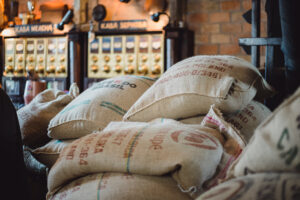
Proper warehouse management is essential for maintaining product quality and safety.
Key Warehouse Risks
- High humidity
- Incorrect temperatures
- Poor stock rotation
- Cross-contamination
- Pest activity
Flour and dry ingredients are highly sensitive to moisture and poor environmental conditions.
Temperature Control
Bakery fillings, creams, butter, dairy products, and chocolates often require strict temperature monitoring.
Failure to control temperatures may result in:
- Microbial growth
- Product spoilage
- Reduced shelf life
- Food safety incidents
Conclusion

Traditional breads and bakery products remain an important part of global food culture, but safe production requires much more than good recipes and skilled bakers.
Food safety risks in bakery and confectionery production can arise from poor hygiene, weak supplier management, inadequate temperature control, pest activity, and insufficient monitoring systems.
Implementing strong HACCP systems, controlling CCPs, maintaining hygienic production environments, selecting reliable suppliers, and using smart technologies such as RFID and digital monitoring solutions are essential for protecting consumers and maintaining product quality.
A proactive food safety culture not only prevents contamination and recalls but also strengthens customer trust and long-term business success.