
What Is Cleaning and Sanitation?
July 13, 2026
Taste You Can Trust, How Data Shapes Flavor?
July 20, 2026
SSUCv3H4sIAAAAAAACA01Ry2rDQAz8FbFn07T05mNLWloohPYYepB3ZXuJvQr7cGKC/71SnEBvkmakmZ29mAaTt6a+GD8MJeWI2XMw9VNlyPnM0eNg6selMiljLomScKWzmKkT9Nrfj+wvOje1eSEsed68Yer1miyXRsavA+feh84s1Z35EZyqqsqd9YWhtGhVW6m/lcGOgp1VWJQjDYRXH3uBDqdMcbyZmrwjXksszmtpJrY4CP6spkWKR512EY+9t9FPFLV3lGxUO4lHEjsWMp2zHwj8anAGy+ORk9d44ORzrwhzhMnTCbiFFhvdW53PK2VEK+8lKMHnBBgc9GXEAHwkCZpjgomUDv/Df4CtJI+NiG93P9etbwqOhBXgc/cOLcdRwqtMPmuEprplud5KG0eW9dREAvFBPnNZlj/BDa6s6gEAAA==
Today, Food Safety Alliance will introduce the concepts of Food Safety Culture and Color Coding. We will explain how these practices help strengthen hygiene standards and prevent contamination throughout food production and handling.
In today’s food industry, maintaining strict food safety standards is more important than ever. Ensuring food safety is not only about complying with regulations—it is about fostering a culture in which every employee understands hygiene requirements, takes responsibility for following them, and is committed to maintaining safe working practices.
Building a strong food safety culture, together with practical tools such as color coding, can significantly reduce food safety risks and improve overall operational safety. These elements work hand in hand with the requirements of Hazard Analysis and Critical Control Points (HACCP) and Good Manufacturing Practices (GMP), helping businesses prevent cross-contamination, maintain consistent hygiene standards, and produce safe, high-quality food.
Building a Strong Food Safety Culture

A strong food safety culture is developed through continuous education, effective communication, and a shared commitment to best practices. It emphasizes that food safety is not only about regulatory compliance but also about protecting a company’s reputation, ensuring business success, and earning consumer trust.
People Come First – Food Safety Always:
Food safety is ultimately about protecting both consumers and employees. Staff should be trained to understand how improper actions can directly affect human health. They must also know how to respond appropriately in situations that may pose a food safety risk, ensuring that products remain safe for consumption.
Continuous Learning:
Regular training sessions, updates on new regulations, and ongoing reviews of existing standards help employees stay informed and ensure that their knowledge remains current, relevant, and comprehensive.
Recognition and Rewards:
Recognition and reward programs can motivate employees to consistently follow food safety practices. Acknowledging individuals who demonstrate outstanding commitment to hygiene and safety standards encourages a sense of pride, responsibility, and accountability throughout the organization, strengthening the overall food safety culture.
HACCP and GMP: The Foundations of Food Safety

HACCP and Good Manufacturing Practices (GMP) are essential frameworks within the food industry, providing structured approaches to identifying, assessing, and controlling food safety risks throughout the production process.
HACCP Principles:
The HACCP system focuses on identifying potential biological, chemical, and physical hazards at every stage of food production and implementing effective control measures to prevent contamination. This proactive, risk-based approach helps ensure that food products are safe for consumers and that food safety hazards are controlled before they become problems.
GMP Requirements:
Good Manufacturing Practices (GMP) cover every aspect of food production, from facility design and equipment maintenance to employee hygiene, sanitation, and operational procedures. By following GMP requirements, food businesses can consistently manufacture products under controlled conditions, ensuring compliance with quality and food safety standards.
Color Coding

Color coding is an effective strategy for managing hygiene and preventing cross-contamination in food production environments. By assigning specific colors to different tools, work areas, and operational practices, food businesses can clearly distinguish tasks, improve organization, and significantly reduce the risk of contamination.
Uniforms and Footwear:
Color-coded uniforms and footwear help identify employees working in different production zones, particularly high-risk and low-risk areas. This visual distinction minimizes the possibility of transferring pathogens, allergens, or other contaminants from one area to another and supports effective zoning practices.
Containers and Equipment:
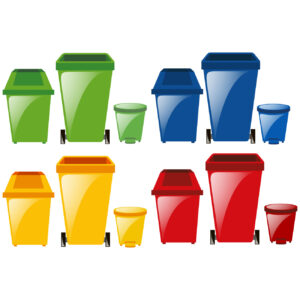
Using color-coded containers and equipment helps separate waste, raw materials, allergens, cleaning chemicals, and food products, reducing the likelihood of accidental contamination. This simple visual management system improves workplace organization, enhances hygiene practices, and supports compliance with HACCP and GMP requirements.
Hygienic Zones:
Assigning different colors to specific hygienic zones within a facility improves operational control and helps employees easily recognize designated work areas. For example, blue tools may be used in low-risk areas, while red tools are reserved for high-risk zones. This visual separation supports zoning practices and minimizes the risk of cross-contamination.
Allergen Management:
Color-coded labels on containers provide a clear visual method for identifying allergen-containing ingredients and products. This practice is essential for preventing cross-contact, protecting consumers with food allergies, and ensuring compliance with food safety regulations.
Facility Maps:
Color-coded facility maps help visualize critical hygiene zones and highlight areas requiring special attention. These maps guide employees by indicating where specific tasks should be performed and identifying areas where certain materials, equipment, or activities are restricted. This improves workflow, reinforces hygiene controls, and supports effective implementation of HACCP and GMP principles.
Sanitation and Hygiene Practices

Maintaining high standards of cleanliness and hygiene is essential in every food production environment to ensure the safety and quality of food products.
Cleaning Frequency:
Establishing and following regular cleaning schedules ensures that all equipment, utensils, and food contact surfaces are cleaned at appropriate intervals. Consistent cleaning reduces the accumulation of microorganisms, food residues, and other contaminants that could compromise food safety.
Employee Health and Personal Hygiene:
Employees must follow strict health and personal hygiene practices at all times. This includes regular handwashing, wearing appropriate personal protective equipment (PPE), maintaining clean work clothing, and promptly reporting any illness or condition that could affect food safety. These measures help minimize the risk of contaminating food products during production.
Cleaning and Disinfection Schedule:
A clearly documented cleaning and disinfection schedule should be established for all equipment, facilities, and production areas. The schedule should specify the cleaning methods, frequency, responsible personnel, chemicals, equipment, and verification activities required for each task. A well-implemented sanitation program ensures consistency, supports regulatory compliance, and helps maintain a hygienic production environment.
Cross-Contamination

Regular assessments are essential for identifying and minimizing the risks of cross-contamination throughout the food production process.
Risk Assessment:
Conducting routine risk assessments helps identify potential points where cross-contamination may occur. These assessments should cover every stage of production, from the receipt of raw materials to the processing, packaging, storage, and distribution of finished products. Identifying hazards early allows businesses to implement effective preventive measures before food safety is compromised.
Corrective Actions:
Whenever risks or non-conformities are identified, immediate corrective actions should be implemented. These actions may include retraining employees, improving cleaning and sanitation schedules, modifying production processes, or upgrading equipment to eliminate the source of contamination and prevent recurrence.
For more detailed information on how to prevent cross-contamination, read our dedicated blog linked below.
Conclusion

Integrating a strong food safety culture with practical measures such as color coding can significantly enhance both the safety and quality of food products. By making food safety a core organizational priority, investing in continuous employee education, and implementing effective tools and internationally recognized standards, food businesses can better protect both consumers and employees while improving operational efficiency and long-term business performance.
Maintaining strict food safety standards is not merely a regulatory requirement—it is a commitment to excellence, responsibility, and consumer confidence throughout the food industry.
For more information, register today and join our monthly Food Safety Alliance training program, where we share practical knowledge and industry best practices to help businesses build safer food production systems.