
How can we prevent cross-contamination?
June 1, 2026
HACCP Documentation-What should we know?
June 9, 2026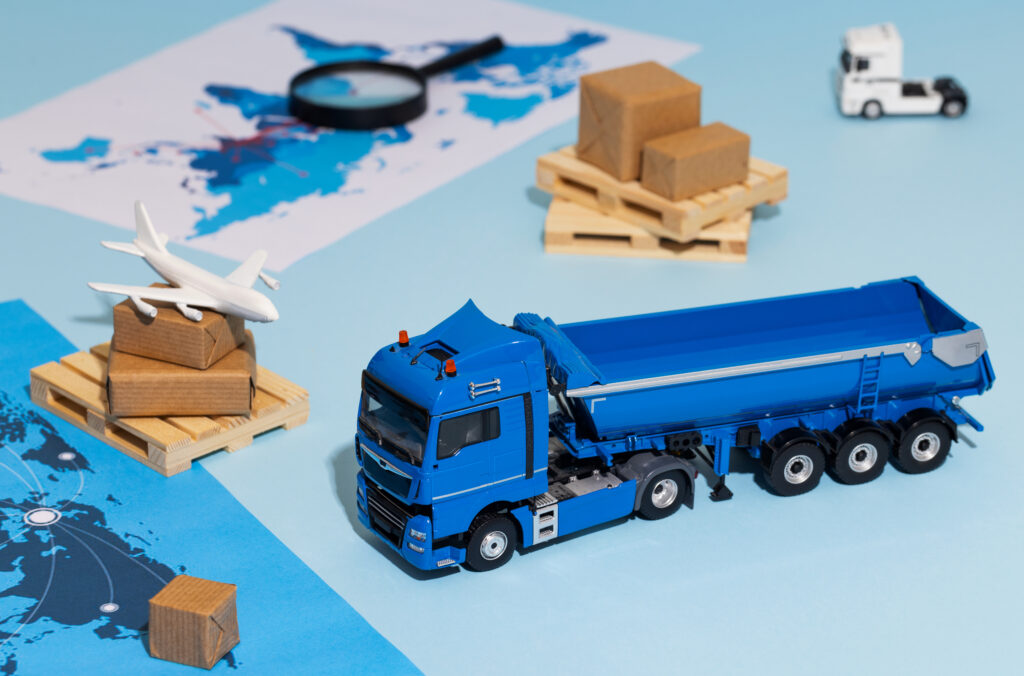
The safety of food products, raw materials, packaging materials, and finished goods does not depend solely on manufacturing processes. One of the most overlooked yet significant risks emerges during transportation. Cross-contamination often develops silently — from shared containers and reused pallets to inadequately cleaned vehicles.
While HACCP, GMP, and sanitation programs are commonly implemented within production facilities, transportation-related risks frequently receive less attention. This makes it essential to control every stage of the supply chain and ensure that safe products reach consumers without acquiring new hazards along the way.
1. How Does Cross-Contamination Occur During Transportation?
Cross-contamination occurs when products come into contact with physical, chemical, or biological hazards during transport.
Common examples include:
- Mixed transportation of incompatible products;
- Poorly cleaned transport vehicles;
- Reused pallets and containers;
- Damaged or contaminated packaging;
- Transportation of allergen-containing and allergen-free products together.
Many of these risks remain invisible. In some cases, contamination is only discovered after customer complaints, quality failures, regulatory findings, or product recalls.
2. The Importance of Incoming Control and Traceability

Managing transportation risks starts not only during shipment but also when products arrive at their destination.
Incoming control procedures should include:
- Visual inspection of transport vehicles;
- Verification of cleanliness;
- Review of temperature monitoring records;
- Assessment of packaging integrity;
- Verification of previous cargo information.
Traceability systems allow organizations to determine where products have been, what they have been exposed to, and under which conditions they have traveled throughout the supply chain.
Strong traceability is one of the most effective tools for preventing and investigating cross-contamination events.
3. Hygienic Requirements for Transportation

Food transportation must take place under conditions that protect product safety and quality.
Transport equipment should:
- Be clean and regularly sanitized;
- Be protected from pests;
- Maintain required temperature conditions;
- Have documented cleaning and sanitation records;
- Prevent unintended contact between different product categories;
- Be designed for effective cleaning and maintenance.
GMP, GHP, and HACCP principles recognize transportation as a critical part of food safety management rather than a simple logistics activity.
4. RFID Technology — A Modern Solution for Invisible Risks

Digital technologies are transforming transportation safety and supply chain management.
With RFID traceability systems, companies can:
- Monitor product movement in real time;
- Track contact history;
- Verify clean handovers between parties;
- Monitor pallet and container circulation;
- Identify potential risks throughout the supply chain.
RFID technology increases transparency, reduces the likelihood of human error, and strengthens food safety culture. These services are available from the company Altinteg, which provides digital traceability across all stages of the entire supply chain.
Conclusion
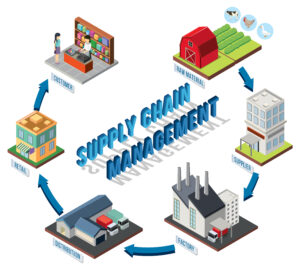
Cross-contamination during transportation is often the silent traveler within the supply chain. Although invisible, its impact can be significant for product safety, regulatory compliance, and consumer trust.
Quality control, incoming control, traceability, and hygienic transportation practices form the foundation of a safe and reliable supply chain.
With RFID traceability, we can monitor contact history, verify clean handovers, and ensure that risk does not travel with the goods.
Clean data = clean supply chain.