The Importance of Calibration in Production and the Kitchen: Ensuring Accuracy and Safety
August 5, 2025
Food Labels in Europe: Quality Meets Marketing
September 23, 2025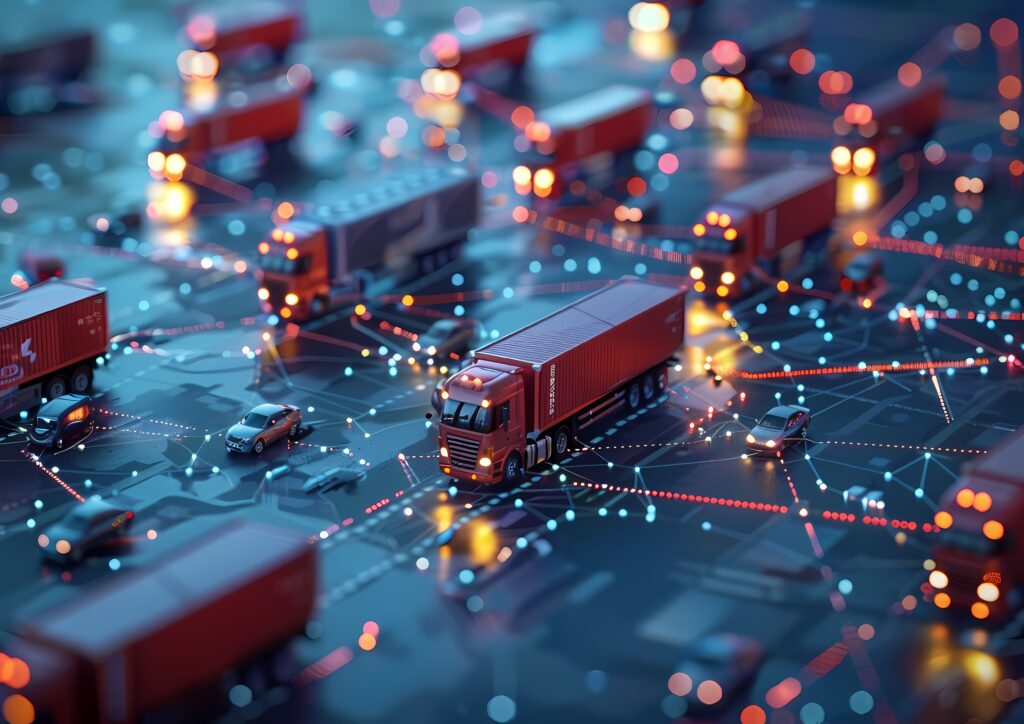
In today’s fast-moving and unpredictable market, supply chains are no longer driven just by trucks, warehouses, and inventory — they’re powered by data. From forecasting demand to maintaining food safety, from reducing waste to improving traceability, data accuracy has quietly become the strongest tool behind every successful supply chain.
But how exactly does data help control the supply chain? And more importantly, how can accurate and protected data increase your profit while reducing risk?
Let’s unpack that.
Why Data Is the New Currency of Supply Chains

When we talk about the “power” of data, we don’t mean rows on a spreadsheet — we mean real-time, reliable information coming from sensors, barcodes, RFID tags, digital platforms, and cloud-based systems. This data tells us:
- Where your goods are
- What temperature they are stored at
- Whether humidity, shock, or time limits were exceeded
- When a shipment will arrive
- And what risks lie ahead
And that’s just the beginning.
Every data point becomes a decision-making tool — helping you eliminate guesswork, react quickly, and prevent loss before it happens.
Eliminating Waste with Real-Time Monitoring

Waste is one of the biggest hidden costs in any supply chain — especially in food, pharma, and perishable goods sectors. Often, waste comes from one of two things:
- Poor storage and transport conditions (like temperature abuse)
- Lack of visibility and delayed reactions when things go wrong
This is where smart monitoring systems come in.
For example, Altinteg’s solutions are built around helping businesses implement smart tracking systems and data-driven processes for storage and logistics. By working with reliable technologies and ensuring proper integrationю
With accurate data, you’re no longer relying on assumptions or periodic manual checks. You get instant insights and timely responses, drastically reducing spoilage, customer complaints, and regulatory risk.
Better Storage and Transport Control

Every product has its own set of ideal conditions. Fruits and vegetables, vaccines, frozen fish — all require different humidity levels, temperatures, and timelines. Mismanaging even one aspect can destroy quality and value.
With precise data:
- You can fine-tunestorage conditions based on actual product needs
- Plan optimal routes and prevent delays
- Identify and eliminate weak links (for example, a delivery van that consistently underperforms)
- Comply with HACCP, GMP, or GDP protocols effortlessly
Altinteg’s systems don’t just monitor — they collect, analyze, and visualize your data, so you can easily spot trends and make improvements.
Shared Responsibility and Reduced Risk

In traditional supply chains, if something goes wrong, everyone points fingers.
“Was it the warehouse?”
“Did the transporter delay delivery?”
“Maybe it was the store that didn’t store it properly?”
This confusion leads to lost time, damaged partnerships, and financial losses.
But when you have clear, reliable data tracking every step of your product’s journey, you gain transparency. Everyone sees the same numbers — and responsibilities can be fairly divided.
- If the goods left the warehouse at +4°C and arrived at +12°C, the issue is likely in transport.
- If they were fine upon delivery but spoiled at the store — that’s a different story.
Data removes blame games and helps partners work together to solve problems, not argue over them.
From Cost Center to Profit Driver
Let’s talk about money.
Many businesses still see monitoring and data systems as “extra costs.” But what if that “extra” cost gave you:
- 20% fewer returns
- 15% less product loss
- Faster audits
- Higher customer trust
- And ultimately more sales?
That’s not an expense. That’s an investment.
When you track your supply chain with precision, you gain predictability — and predictability leads to profit.
You stop overproducing. You stop overstocking. You only move what you know will sell — and sell well.
Conclusion

In 2025 and beyond, the winners in the supply chain game will be those who use accurate, secure, and timely data to:
- Eliminate waste
- Improve traceability
- Increase transparency
- Share responsibility
- Maximize profit
If your data isn’t working for you, then it’s time to upgrade your tools and strategy. The good news? You don’t have to figure it out alone.
Altinteg is here to guide you through the digital transformation — with tools, systems, and free consultations tailored to your business needs.