
The AIB International Standard and Its 5 Core Categories
July 27, 2026
Foreign Material Control in Food Production — From Sieving to Metal Detection
August 17, 2026
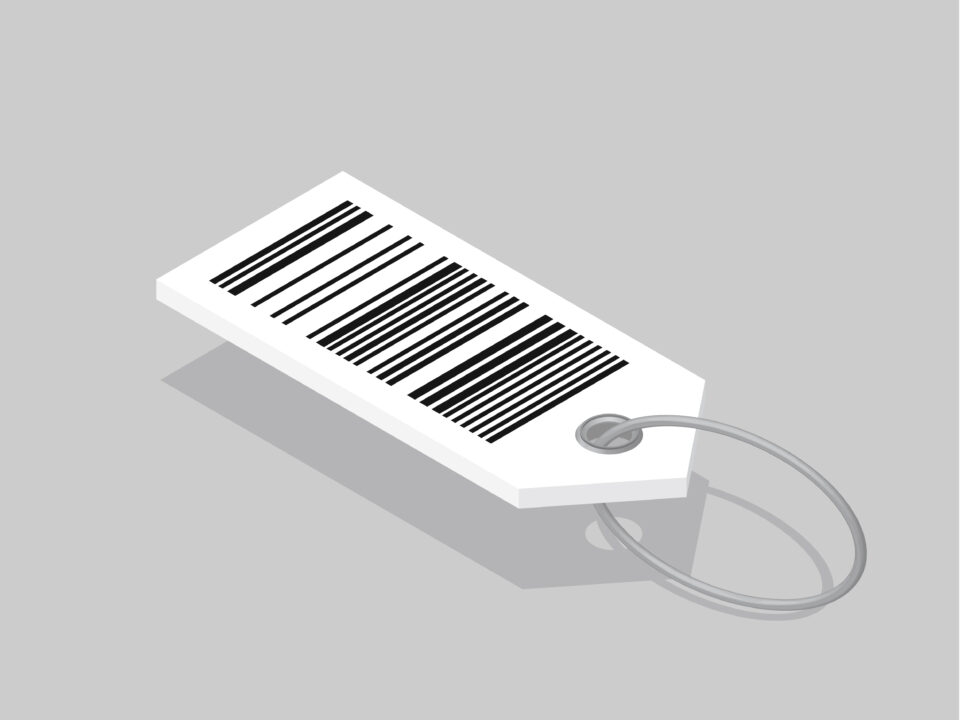
Today, a food label is no longer simply a way to communicate a product name, ingredients, allergens, nutritional information, shelf life, or manufacturer details. Increasingly, the label is becoming an access point to the digital story behind a product, allowing consumers and businesses to access far more information than can fit on traditional packaging.
Technologies such as RFID, 2D codes, and dynamic data layers are changing how food businesses collect, manage, and communicate product information. A digital identifier can connect a physical product to information about its origin, handling conditions, allergens, compliance status, shelf life, sustainability, and traceability history.
This transformation is particularly important for the food industry, where consumer trust increasingly depends on transparency, reliable information, and the ability to demonstrate how a product has been handled throughout its journey.
One scan can become a gateway to the complete story behind a product.
1. The Modern Label Is a Gateway to a Product’s Digital Story
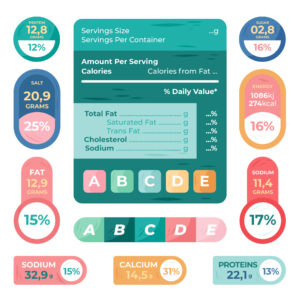
Traditionally, the primary purpose of a food label was to provide consumers with legally required information. Product name, ingredients, allergens, nutritional information, storage conditions, shelf life, and manufacturer details provide the essential information needed to understand a product.
But modern supply chains are far more complex.
A product may pass through multiple production stages, warehouses, transportation vehicles, distribution centers, and retail locations before reaching the consumer. A static label cannot always communicate everything that happens throughout this journey.
Digital labeling technologies are changing this.
RFID, 2D codes, and other digital identification technologies can connect a physical product with a digital information layer. As a result, the label becomes more than information printed on packaging. It becomes an access point to data.
This can be particularly valuable for traceability. A business can connect a specific product or batch with information about its raw materials, production process, storage conditions, transportation history, and distribution.
For consumers, this creates greater transparency.
For businesses, it creates greater visibility and control.
2. What Can Be Behind a Single Scan?
A single QR or 2D code can provide access to information that would be difficult or impossible to include entirely on a traditional food label.
For example, a digital information layer can provide details about the origin of a product. Consumers may be able to discover where it was produced, where key ingredients came from, or which production batch the product belongs to.
Digital systems can also connect information about storage and handling conditions. When integrated with temperature monitoring, RFID, or IoT sensors, businesses can gain better visibility into the conditions under which products moved through the supply chain.
Another important area is allergen information. Digital platforms can provide additional explanations and more detailed allergen information when the physical label cannot reasonably contain all relevant details.
Digital layers can also provide compliance and quality information, including certifications, product specifications, storage requirements, sustainability information, and other verified data that can strengthen consumer confidence.
The purpose of digital labeling is not simply to provide more information.
It is to provide the right information to the right person at the right time and in a useful format.
3. Traceability, Shelf Life, and Sustainability — Data That Creates Real Value
Traceability is one of the most important elements of modern food safety and quality management.
A business needs to know where raw materials came from, how they were used, which production batch they entered, and where the finished product was distributed.
Digital labels and RFID technology can make this process faster, more accurate, and more transparent.
Traceability data can also support shelf life management. By combining information about product history, storage conditions, transportation, and environmental factors, companies can better understand how real supply chain conditions influence product quality and stability.
However, there is one fundamental requirement:
The data must be trustworthy.
If temperature monitoring is inaccurate, transportation records are incomplete, or product identification is unreliable, digital labeling cannot create genuine transparency.
This is why digital traceability should be integrated with food safety and quality management systems, including HACCP, GMP/GHP, and appropriate verification processes.
Another growing area is sustainability.
Consumers increasingly want to understand packaging materials, ingredient origins, resource use, environmental impact, and responsible sourcing. Digital data layers can give businesses a way to communicate this information in greater detail without overcrowding the physical label.
The label therefore becomes more than a product identifier.
It becomes a data-driven communication tool.
4. One Scan, More Transparency, Greater Trust
Consumer trust is built when information is accessible, understandable, and supported by reliable evidence.
This is particularly important in the food industry because consumers cannot personally observe the entire production and supply chain process. They rely on the information provided by manufacturers to make informed purchasing decisions.
One scan can connect consumers with a product’s digital story and provide additional information about its origin, ingredients, allergens, storage conditions, compliance, shelf life, and sustainability.
For businesses, this creates significant operational opportunities as well.
Digital labeling can strengthen traceability, simplify information management, support faster responses to quality incidents, and increase supply chain transparency.
RFID technology is particularly valuable where businesses need automated identification and monitoring of products or logistics units. Product, pallet, and container movements can be connected with digital records, creating a more complete picture of how goods move through the supply chain.
This represents a future where a food label is no longer simply printed information on a package.
It becomes a living digital connection between a product and its history.
Conclusion
A label is not just a label anymore.
Modern technologies are transforming food labels into digital access points that connect consumers with information about product origin, traceability, handling conditions, allergens, compliance, shelf life, and sustainability.
RFID, 2D codes, and dynamic data systems give businesses new opportunities to create more transparent, controlled, and trustworthy supply chains.
The future consumer will not only want to know what is in the product.
They will increasingly want to know where it came from, how it was handled, how it traveled, and under what conditions it reached them.
One scan can provide access to a much bigger story.
The future of food trust is on the label — and it’s alive.